Welcome to Willowbottom

Your Complete Guide to Modern Homesteading & Sustainable Living

Homesteading isn’t about having the perfect setup. It’s about using what you have, right where you are. Whether you’re growing a full garden, tending a few windowsill herbs, or just trying to live a little more sustainably, you belong here.

Ready To Start Your Garden?

Thinking about starting a garden but not sure where to begin? Or looking for a better way to plan and manage what you’re already growing? Wherever you are in the process, this is your space to learn, stay organized, and enjoy the experience of growing your own food.
Understand Any Location Before You Move There

Get a complete picture of climate, environment, community, and livability, so you can make confident decisions before you move.

Tune In

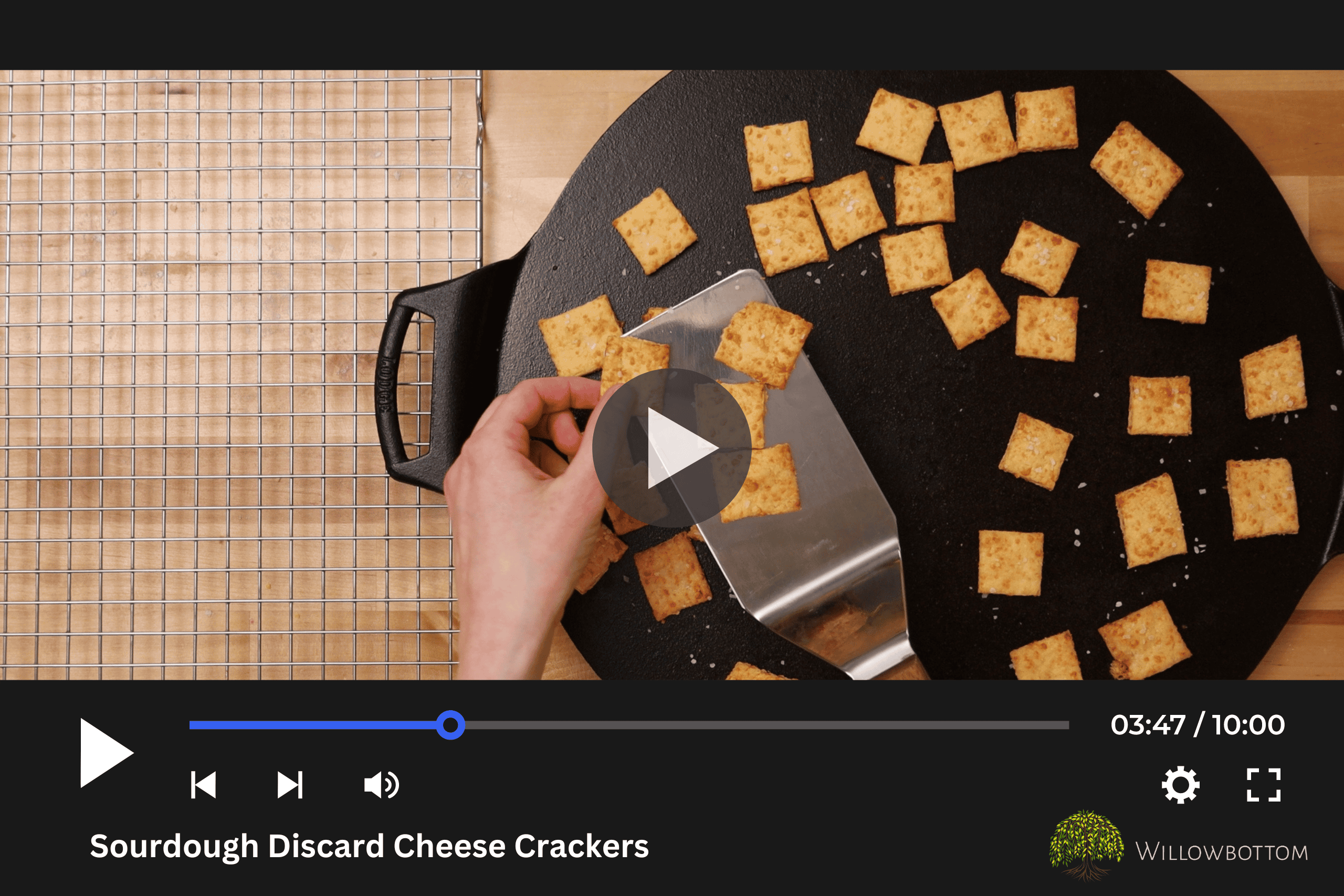
Watch our latest video on our YouTube channel
View Channel

Follow us @willowbottom_homestead

  • Here are some of the birds moving over right now, so turn off your lights at night!

This applies to much of the Great Lakes area and Midwest in general.

Yellow-rumped Warbler 
Palm Warbler
Black-and-white Warbler 
Nashville Warbler
Orange-crowned Warbler 
Pine Warbler
Black-throated Green Warbler 
Yellow Warbler
Blue-headed Vireo 
Yellow-throated Vireo 
White-eyed Vireo
Ruby-crowned Kinglet 
Golden-crowned Kinglet 
Blue-gray Gnatcatcher
Brown Creeper
Winter Wren
White-throated Sparrow 
White-crowned Sparrow 
Fox Sparrow
Savannah Sparrow 
Swamp Sparrow
Field Sparrow
Vesper Sparrow 
Hermit Thrush
American Robin 
Eastern Towhee
Yellow-bellied Sapsucker 
Northern Flicker
Blue-winged Teal 
Wood Duck
Gadwall
American Wigeon 
Lesser Scaup
Great Blue Heron 
Great Egret
Broad-winged Hawk 
Sharp-shinned Hawk
Cooper’s Hawk
Osprey
Greater Yellowlegs
Lesser Yellowlegs 
Solitary Sandpiper 
Pectoral Sandpiper 
Killdeer
Red-winged Blackbird 
Rusty Blackbird
Eastern Phoebe 
Song Sparrow
  • We have a volunteer squash plant coming up!

Every year without fail, we get volunteer plants popping up around the yard and garden beds, and this year a squash showed up right where we weren't expecting it.

More than likely it came from squirrels raiding the compost or birds dropping seeds along the way. Either way, it's here, it's thriving, and we're letting it do its thing.

Volunteer plants are one of our favorite parts of having a garden and a compost system. 

Squash in particular are incredible volunteers because they're vigorous growers. Once they're established, they spread fast, their big broad leaves shade out weeds, and they produce heavily with very little input from you.

They're also fantastic for pollinators, because their flowers are large and full of nectar, and bees absolutely love them, especially bumble bees, which are some of the most efficient pollinators for squash.

We usually end up with several volunteer plants each year across the yard, and we work around them.

There's a lesson in that, I think. Sometimes the best things in the garden, and in life, are the ones you didn't plan for.

I'll share updates on what kind of squash this is, later on. 

Do you get volunteer plants in your yard? Tell me what's shown up uninvited and stayed welcome! 

Drop a 🌱 in the comments.
  • Stinging nettle gets a bad reputation, and if you've ever brushed up against it barehanded, you know exactly why.

 Those tiny hollow hairs on the leaves and stems act like little needles, delivering a sting that can last anywhere from a few minutes to a few hours. It's not fun.

Stinging nettle has been one of the most valued plants in human history.

It's native to Europe, Asia, and parts of North America, and it thrives in rich, moist soil, which is actually a sign of a healthy, nitrogen-dense ecosystem. If nettle is growing somewhere, the land is telling you something good.

Medicinally, it has an impressive list of traditional uses. It's been used to support joint health and reduce inflammation, ease seasonal allergy symptoms, support kidney function, and even promote hair growth. 

The leaves are high in iron, calcium, magnesium, and vitamins A, C, and K. You can dry the leaves for tea, cook them like spinach once they're wilted or blanched (the sting completely disappears with heat), or find them in supplement form.

For pollinators and wildlife, nettle is important. It's a host plant for several butterfly species, including some that won't lay their eggs on anything else. So if you have a wild patch on your property and you can leave it alone, you're doing something really good.

Do you have stinging nettle on your property? Let me know in the comments!
  • Our yard is being taken over by violets, and we couldn't be happier about it.

If you've ever noticed those tiny purple flowers popping up in your lawn or garden beds in early spring, there's a good chance they're wild violets. 

They're native to North America and have been growing in meadows, woodlands, and backyards long before anyone thought to plant them on purpose.

Here's what makes them so special: violets are one of the earliest blooms of the season, which makes them a critical food source for pollinators when almost nothing else is flowering yet. 

Bees, butterflies, and even certain moth species depend on them to get through those chilly early spring weeks.

They also spread in two ways. They self-seed like most flowers, but they also produce what are called cleistogamous seeds, basically seeds that form without ever opening into a flower at all, right at soil level.

Medicinally, violets have been used for centuries. The leaves and flowers are edible and high in vitamins A and C, and they've traditionally been used to soothe sore throats, calm inflammation, and support respiratory health. 

People have made violet-infused syrups, teas, salves, and even candied the flowers.

We let ours spread freely through the back and side yard, and every spring we have more and more.  They're one of my favorites!

Do you have violets growing in your yard?
  • ❄️ FROST ADVISORY ❄️

If you have small plants or trees with tender leaves or newly planted rootstock like these raspberry bushes, and you're under a frost advisory like we are, now's the time to cover them! 

Frost cloth, old sheets, or buckets work great to keep the warmth in.

If it's not in the ground, bring it inside!
  • We are out covering tenders to protect them from the frost tonight and it'll be the same story tomorrow night. 

While we were out I noticed a couple of garlic mustard plants which are extremely invasive.  You want to make sure to pull these out immediately and dispose of them because they easily will create a monoculture because they produce a chemical in the soil that inhibits other plants from growing. 

They also produce hundreds of thousands of tiny seeds that will get everywhere and stay in your soil for 5 years.  So if you see them pull them out right away.